
How To Decode Your Personal Colour Palette?
Understanding your personal colour palette is one of the most powerful ways to elevate your style. Colours can brighten your face, enhance your confidence, and make your outfits feel naturally harmonious. By learning which shades truly flatter you, you can transform your wardrobe into a collection that feels effortlessly “you.” Here’s your simple guide to decoding your personal colour palette.
Skin Undertones
The first step in discovering your colour palette is understanding your skin undertone. This is different from your surface skin tone—which can change with sunlight or weather. Undertones remain constant and fall into three categories: cool, warm, and neutral. To determine yours, look at the veins on your wrist: if they appear bluish, you’re likely cool-toned; greenish veins usually indicate warm undertones; and a mix suggests a neutral undertone. Knowing your undertone helps you filter colours more effectively.
Warm Shades
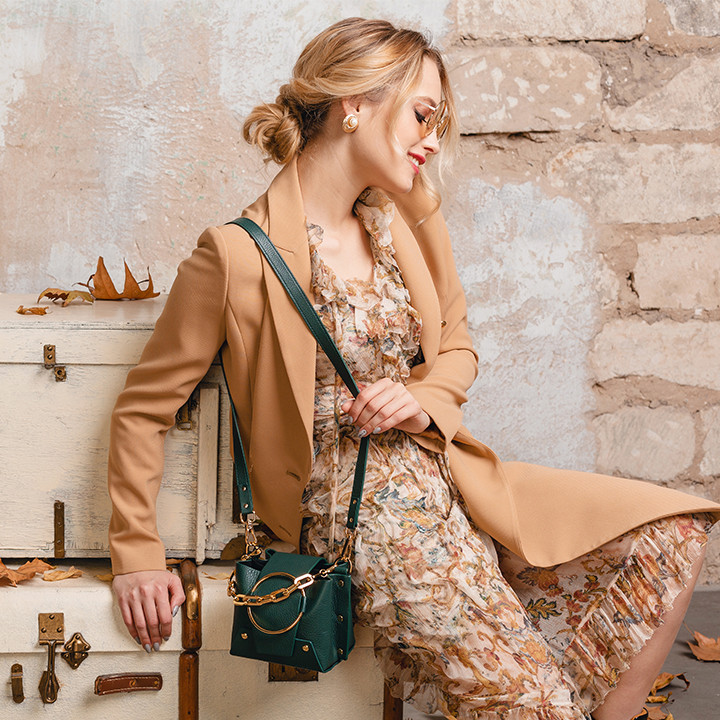
If you have warm undertones, you’ll shine in earthy, golden, and rich colours. Think mustard yellows, terracotta oranges, olive greens, and warm reds. These shades bring out the natural warmth in your complexion and help your features look more defined. Even your neutrals should lean warm—like cream, caramel, camel, and beige. Wearing warm shades adds vibrance to your overall appearance and makes your outfits feel naturally cohesive.
Neutral Balance
If you’re lucky enough to have a neutral undertone, you can wear a wider range of colours with ease. Both warm and cool shades can suit you, though extreme tones—too icy or too earthy—may overpower your natural balance. Soft colours like dusty rose, muted teal, warm taupe, or sage green usually complement you beautifully. Neutrals like off-white, mocha, or medium grey also enhance your natural complexion.
Contrast Levels
Your personal colour palette isn’t just about undertones—it also depends on your contrast level. High-contrast individuals (dark hair + light skin or vice versa) look great in vivid colours and bold combinations. Medium-contrast individuals suit balanced palettes with moderate saturation. Low-contrast individuals (soft hair and skin tones) look best in gentle shades with subtle transitions. Understanding your contrast level helps you decide how bold or soft your outfits should be.
Season Analysis
Colour analysis often aligns with seasonal categories: Spring, Summer, Autumn, and Winter. Each season represents a specific vibe and palette. Spring is warm, fresh, and bubbly with peach, coral, and mint shades. Summer is cool, soft, and airy with lavender, powder blue, and smoky pinks. Autumn is warm, deep, and earthy with maroon, mustard, and forest green. Winter is cool, vibrant, and dramatic with black, icy blue, and pure white. Identifying your season helps you visually map your palette.
Wardrobe Curation
Once you decode your palette, it’s time to align your wardrobe. Start by keeping colours that flatter you and gradually replace those that wash you out. Build a capsule collection with key pieces in your best shades—tops, dresses, scarves, or accessories. Add neutrals that complement your undertone so every outfit feels balanced. A curated wardrobe not only looks stylish but also simplifies everyday decision-making.
Final Thoughts
Decoding your personal colour palette is more than a fashion trick—it’s a confidence amplifier. When you wear colours that harmonize with your natural tones, you feel instantly brighter, sharper, and more yourself. Whether you’re warm, cool, or neutral, the right shades can transform your appearance and uplift your style journey. Start exploring your palette today and let colours speak your language effortlessly.